When you picture cherries, do you think of a summer picnic, a delicious pie, or perhaps a vibrant topping for your yogurt? These glistening red (or yellow!) jewels are more than just a tasty treat. Beneath their delicate skin lies a powerhouse of nutrients, antioxidants, and anti-inflammatory compounds that offer remarkable health benefits.
From supporting your heart and helping you drift into a deeper sleep to speeding up post-workout recovery, the Health Benefits & Nutrition of Cherries are surprisingly diverse and scientifically backed. As a seasoned journalist specializing in health and nutrition, I've seen countless "superfoods" come and go, but cherries, particularly tart cherries, consistently prove their worth in promoting overall well-being.
Let's dive into what makes these small fruits such a significant player in a healthy diet.
At a Glance: Why Cherries Are a Health Hero
- Antioxidant Powerhouse: Packed with compounds like anthocyanins that fight inflammation and protect your cells.
- Workout Recovery Aid: Tart cherries can reduce muscle soreness and oxidative stress after exercise.
- Heart Health Champion: Contribute to lower blood pressure and reduced risk of heart disease thanks to potassium and polyphenols.
- Sleep Enhancer: A natural source of melatonin, especially in tart varieties, helping regulate sleep cycles.
- Gout & Arthritis Relief: Their anti-inflammatory action may lower uric acid and ease joint pain.
- Gut Health Supporter: High fiber content keeps your digestive system happy and regular.
A Cherry Primer: Sweet vs. Tart
Before we delve deeper, it's helpful to distinguish between the two main types of cherries you'll encounter:
- Sweet Cherries (Prunus avium L.): These are the plump, juicy, and relatively large cherries you typically find fresh at the grocery store or farmer's market. Think Bing, Rainier, or Lambert varieties. They're wonderful for snacking, fruit salads, or pairing with cheese.
- Tart Cherries (Prunus cerasus L.): Also known as sour cherries, these are smaller, brighter red, and have a more acidic flavor. Montmorency is a popular variety. While you can eat them fresh, tart cherries are more commonly used in baking (pies, jams), juices, and concentrated supplements due to their intense flavor and potent health compounds. Many of the most significant research-backed benefits, particularly for sleep and muscle recovery, often focus on tart cherry products.
Both types belong to the Prunus genus and are classified as drupes, meaning they have a single hard seed at their core.
The Nutrient-Dense Profile of Cherries
Don't let their small size fool you; cherries are incredibly rich in essential vitamins, minerals, and beneficial plant compounds, all while being low in calories and high in water (around 82%).
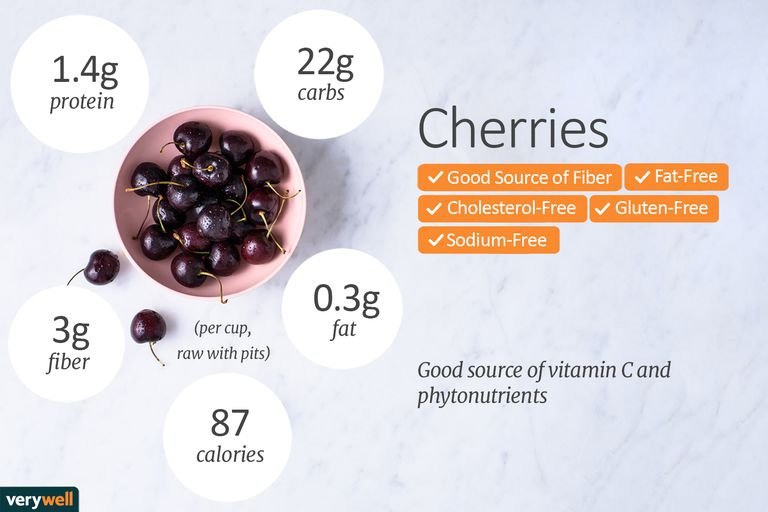
A single cup (154 grams) of sweet, raw, pitted cherries offers a robust nutritional punch:
- Calories: 97
- Carbohydrates: 25 grams
- Fiber: 3 grams (a good start towards your daily needs)
- Vitamin C: 12% of the Daily Value (DV) – crucial for immunity and skin health.
- Potassium: 10% of the DV – vital for heart, muscle, and nerve function.
- Copper: 10% of the DV – supports energy production and iron metabolism.
- Manganese: 5% of the DV – an antioxidant and essential for bone health.
- Vitamin B6: 0.08 milligrams
- Vitamin K: 3 micrograms
Beyond these, cherries are famed for their wealth of powerful antioxidants and anti-inflammatory compounds, which truly set them apart.
Unpacking the Health Benefits of Cherries
Let's explore the specific ways these delicious fruits can enhance your health, backed by scientific research.
A Shield Against Damage: Rich in Antioxidants & Anti-Inflammatory Compounds
The vibrant red and purple hues of cherries are a clue to their antioxidant content. All cherry varieties are loaded with these protective compounds, especially polyphenols like anthocyanins, flavonoids, and catechins. These aren't just fancy names; they're the biological warriors that combat oxidative stress and fight cellular damage in your body.
Oxidative stress is like rust for your cells, contributing to aging and chronic diseases. The polyphenols in cherries act as a powerful deterrent, reducing inflammation and protecting your tissues. In fact, a 2022 review highlighted that diets rich in polyphenols may significantly reduce the risks of heart disease, diabetes, brain dysfunction, and even certain cancers.
Bouncing Back Faster: Boost Exercise Recovery
For athletes and active individuals, muscle soreness and fatigue after a tough workout are unwelcome realities. This is where tart cherries truly shine. Their potent anti-inflammatory and antioxidant compounds have been shown to reduce muscle damage and accelerate recovery.
Consider a study where 13 men took 500 mg of tart cherry extract daily for seven days before intense resistance exercise. The results showed reduced oxidative stress, fewer markers of muscle and heart damage, and less central fatigue. Another 2018 study with 20 active women demonstrated that tart cherry juice helped them recover quicker with less muscle damage and soreness. Incorporating tart cherry products into your pre- or post-workout routine could be a game-changer for your performance and comfort.
Nurturing Your Engine: Benefit Heart Health
Your heart works tirelessly for you, and cherries can be a delicious ally in keeping it strong. Diets abundant in fruits like cherries are consistently linked to a lower risk of heart disease, according to 2020 research.
Here's how cherries contribute:
- Potassium Power: The significant potassium content helps lower blood pressure, a primary risk factor for heart attacks and strokes.
- Polyphenol Protection: The antioxidants found in cherries shield against cellular damage and dampen inflammation, both of which are critical for cardiovascular health.
- Cholesterol Management: Some studies suggest that tart cherry juice may help lower levels of LDL (bad) cholesterol, further supporting arterial health.
A large 2018 study involving 84,158 people specifically found a link between higher intake of polyphenols, particularly anthocyanins and flavonols, and a lower risk of heart disease.
Easing Aches: Improve Symptoms of Arthritis and Gout
If you or someone you know suffers from the chronic pain of arthritis or the sudden, intense flare-ups of gout, cherries might offer some relief. The anti-inflammatory prowess of cherries directly inhibits oxidative stress and decreases inflammatory markers that are characteristic of arthritis.
For gout, a condition caused by excessive uric acid in the blood, cherries may be particularly beneficial. A 2019 review noted their potential to lower uric acid levels, which can help prevent or reduce the severity of gout attacks. More recently, a 2023 study found that a tart cherry supplementary citrate mixture, taken every four weeks, significantly reduced uric acid levels and the frequency of gout attacks in 282 men living with gout.
Your Path to Deeper Slumber: Improve Sleep Quality
Struggling to fall asleep or stay asleep? Tart cherries might be a natural remedy worth exploring. Cherries contain small amounts of melatonin, the hormone that regulates your sleep-wake cycle. They also possess anthocyanins, which can enhance the availability of tryptophan, an amino acid precursor to serotonin and melatonin.
A compelling 2018 pilot study demonstrated that older adults with insomnia who drank one cup (240 ml) of tart cherry juice in the morning and another two hours before bed experienced increased sleep time and improved sleep efficiency. If you're looking for a natural way to support your nightly rest, a glass of tart cherry juice could be a delightful addition to your evening routine.
Unlocking More Goodness: Beyond the Core Benefits
The advantages of incorporating cherries into your diet extend even further:
- Promote Gut Health: With a decent fiber content, cherries aid digestion, promote regularity, and feed beneficial gut bacteria.
- Support Brain Health: The antioxidants work to protect brain cells from damage, potentially safeguarding against age-related memory decline and supporting cognitive function.
- Manage Blood Sugar: Cherries have a low glycemic index, meaning they cause a slower, more gradual rise in blood sugar compared to many other fruits. This makes them a potentially safer fruit choice, in moderation, for individuals managing diabetes.
- Boost Immunity: The Vitamin C in cherries is a well-known immune booster, helping your body fight off infections.
- Support Skin Health: Antioxidants aren't just good for internal health; they also protect your skin cells from damage, which can help reduce the appearance of wrinkles and promote a healthy glow. Cherry extracts are even utilized in some skincare products for their anti-aging and brightening properties.
- Strengthen Bones: Cherries provide a valuable mix of magnesium, calcium, and vitamin K – all essential nutrients for maintaining strong, healthy bones.
- Potential Cancer Risk Reduction: The wide array of polyphenols in cherries continues to be studied for its potential role in reducing the risk of certain cancers by inhibiting cancerous cell growth and promoting programmed cell death.
- Aid Liver Detoxification: Antioxidants assist the liver in its crucial detoxification processes and may help reduce fat buildup.
- Reduce Stress and Promote Mental Well-being: The natural compounds found in cherries, particularly their anti-inflammatory properties, may play a role in reducing physiological stress and promoting a sense of well-being.
- Improve Vision: Cherries contain Vitamin A and carotenoids, which are vital for good vision and can help protect against age-related eye diseases.
- Hydration Boost: Their high water content contributes significantly to your daily fluid intake, helping you stay well-hydrated.
- Ease Cramps and Bloating: The anti-inflammatory qualities of cherries may also help to alleviate discomfort from cramps and bloating.
Potential Side Effects & Risks: Knowing When to Be Cautious
While cherries offer a bounty of health benefits, it's wise to be aware of potential downsides, especially when consumed in large quantities or as supplements.
- Digestive Issues: Due to their fiber content, eating an excessive amount of cherries can lead to bloating, gas, or even diarrhea in some sensitive individuals.
- Blood Sugar Concerns: While low on the glycemic index, consuming too many cherries (or overly sweetened cherry products) could still raise blood sugar levels, especially in individuals with diabetes. Portion control is key.
- Allergies: Some people may experience allergic reactions to cherries, which could manifest as itching, swelling, or oral allergy syndrome (tingling or itching in the mouth after eating certain raw fruits).
- Dental Health: The natural sugars and acids in cherries could potentially contribute to tooth enamel erosion if dental hygiene is neglected.
- Kidney Disease: Cherries are a good source of potassium. For individuals with kidney disease, who often need to monitor potassium intake, high consumption could be harmful. Always consult your doctor.
- Medication Interactions: Tart cherry supplements, particularly in concentrated forms, may interact with certain medications, most notably blood thinners like warfarin, potentially increasing the risk of bleeding. If you're on medication, always talk to your doctor before adding supplements.
- Tyramine Sensitivity: Cherries contain tyramine, a naturally occurring amino acid. Some individuals sensitive to tyramine might experience headaches or migraines from high intake.
- Kidney Stones: In individuals prone to oxalate buildup, cherries (which contain oxalates) could theoretically contribute to kidney stone formation, though this is generally less of a concern than with other high-oxalate foods.
Ways to Enjoy Cherries & Recommended Use
Incorporating cherries into your diet is easy and delicious. For most people, 1 to 2 cups (approximately 150–300 grams) of fresh cherries per day is a safe and beneficial amount. To Explore the cherry season and enjoy them at their peak, look for firm, brightly colored fruit.
Delicious Ways to Enjoy Them:
- Fresh Snack: The simplest and often best way to enjoy them.
- Smoothie Booster: Add pitted cherries to your morning smoothie for flavor and nutrients.
- Yogurt or Oatmeal Topping: Brighten up your breakfast bowl with fresh or thawed frozen cherries.
- Baking Bliss: Perfect for pies, muffins, tarts, or cakes (remember to pit them first!).
- Homemade Preserves: Create cherry jam, compote, or chutney for a taste of summer year-round.
- Refreshing Drinks: Enjoy cherry juice (tart cherry juice is especially popular for health benefits), or mix concentrate with sparkling water and a lemon wedge for a delicious, healthy mocktail.
- Frozen Treats: Blend frozen cherries into sorbets, nice creams, or simply eat them frozen as a cooling snack.
- Savory Pairings: Halved, pitted cherries can add a sweet-tart note to salads, or be incorporated into homemade barbecue sauces or salsas.
- Cheese & Chocolate: Cherries pair wonderfully with both, especially dark chocolate.
Smart Consumption Tips:
- Wash Thoroughly: Always wash fresh cherries before eating.
- Pit Before Cooking: Remove pits before using them in recipes, as they contain trace amounts of cyanide, which is toxic if consumed in large quantities (though unlikely to be an issue from a few accidental pits).
- Balance Blood Sugar: If you're monitoring blood sugar, combine cherries with protein-rich foods like yogurt or nuts to slow sugar absorption.
- Limit Juice: While cherry juice is beneficial, it lacks the fiber of whole cherries and can be higher in concentrated sugars. Opt for whole fruit when possible, or dilute juice.
- Freeze in Season: When cherries are abundant, freeze them for enjoyment throughout the year.
Best Times to Eat Cherries:
- Morning: A great way to boost hydration and energy as part of a balanced breakfast.
- Before Bed (Tart Cherries): If you're using tart cherries for sleep support, a glass of juice or a small serving of fruit a couple of hours before bedtime can be effective.
- Post-Workout: Capitalize on their anti-inflammatory properties by consuming them after exercise to aid muscle recovery and reduce soreness.
Beyond the Plate: Other Uses
- Skincare: Cherry extracts are increasingly found in anti-aging and brightening skincare products.
- Natural Remedies: Tart cherry juice is a popular natural remedy for joint pain and insomnia.
- Beverages: Cherries lend their flavor to cocktails, wines, and artisanal syrups.
- Supplements: Available as powders, capsules, or concentrates for targeted health benefits.
Who Benefits Most From Cherries?
While almost everyone can enjoy the health benefits of cherries, certain groups stand to gain significantly:
- Individuals with Arthritis or Gout: Their powerful anti-inflammatory and uric acid-lowering effects can be highly beneficial.
- Athletes and Active Individuals: For faster muscle recovery and reduced soreness after intense physical activity.
- Those with Sleep Problems: Particularly tart cherries, for their natural melatonin content, can aid in improving sleep quality.
- People Looking to Improve Heart Health: The potassium and polyphenols support blood pressure and overall cardiovascular well-being.
- Individuals Aiming for Better Skin Health: Antioxidants help protect skin from damage and promote a healthy complexion.
Who Should Limit or Avoid Cherries?
While a fantastic fruit, cherries aren't for everyone in all circumstances:
- People with Cherry Allergies: An obvious caution, as allergic reactions can range from mild to severe.
- Individuals with Kidney Disease: Due to their potassium content, high consumption should be discussed with a healthcare provider.
- Those with Sensitive Digestion: If you're prone to bloating, gas, or diarrhea from high-fiber foods, moderate your intake.
- People on Blood Thinners: Especially when considering tart cherry supplements, as they may interact with medications like warfarin. Always consult your doctor first.
Special Considerations for Specific Health Conditions
- Diabetes Management: Stick to moderate portions of fresh cherries and avoid sweetened cherry products or juices, which can significantly raise blood sugar.
- Pregnancy & Breastfeeding: Fresh cherries are safe and nutritious. However, as with any supplement, consult your doctor before taking tart cherry concentrates or extracts.
- Kidney Issues: As mentioned, monitor potassium intake. Always discuss significant dietary changes or supplement use with your nephrologist or dietitian.
The Bottom Line: Cherry-Picking Your Way to Better Health
Cherries are far more than just a sweet treat; they are a nutritional powerhouse offering a wide array of scientifically supported health benefits. From reducing inflammation and aiding muscle recovery to supporting heart health and improving sleep, these versatile fruits can play a significant role in a well-rounded diet.
Whether you prefer the crisp sweetness of fresh Bing cherries or the tart intensity of Montmorency juice, integrating cherries into your routine is a delicious and intelligent choice for your long-term health. Enjoy them fresh, frozen, or in carefully chosen products, and savor the profound goodness each bite delivers.