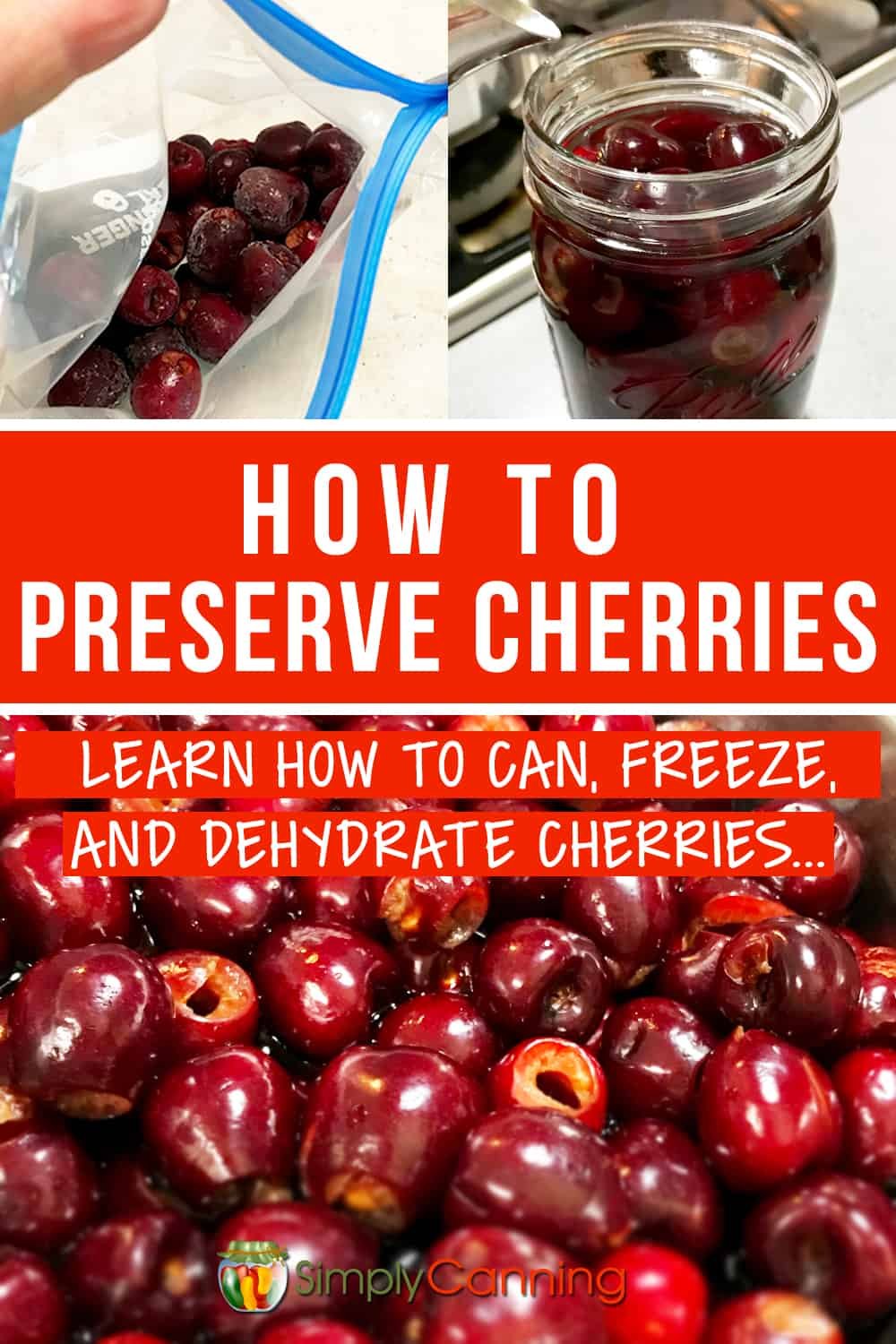
The vibrant blush of a perfectly ripe cherry, bursting with sweet-tart juice, is one of summer's purest joys. But what if you could capture that fleeting flavor, that sun-kissed essence, and enjoy it long after the last cherry has vanished from the market? You absolutely can. Preserving & Canning Cherries transforms a seasonal treat into a year-round delight, ready to brighten up your winter mornings or add a festive flair to holiday desserts.
This isn't just about saving money or extending shelf life; it's about culinary magic, a way to savor the peak of the harvest at your leisure. Whether you're staring down a bounty from your own tree, a farmer's market haul, or a bulk purchase, canning cherries is a rewarding project that pays dividends in deliciousness.
At a Glance: Your Cherry Canning Cheat Sheet
- Best Cherries: Firm, plump, unblemished, tasting just right. Both sweet (Bing, Rainier) and sour (Montmorency) varieties work wonderfully.
- Pitting is Key: A cherry pitter is your best friend. It saves effort and prevents dental hazards down the line.
- Hot Pack for Quality: While raw pack is quicker, hot packing usually yields a better texture and less fruit floating in the jar.
- Syrup Matters: Extra-light syrup or fruit juice keeps the natural cherry flavor front and center without over-sweetening.
- Water Bath is Your Go-To: Cherries are acidic, making them safe and easy to preserve with a water bath canner. Pressure canning is also an option for faster processing.
- Headspace is Crucial: Always leave 1/2-inch headspace for proper sealing and food safety.
- Store in a Cool, Dark Place: Proper storage extends your canned cherries' deliciousness for up to 18 months.
Picking Your Perfect Cherries: The Foundation of Flavor
The secret to amazing canned cherries starts with selection. Don't just grab any fruit; be discerning.
Sweet vs. Sour: A Matter of Taste (and Purpose)
You've got options when it comes to cherry types:
- Sweet Cherries (e.g., Bing, Rainier): These are fantastic for eating straight from the jar or using in desserts where you want a richer, sweeter profile. Bings hold their color well, while Rainier cherries, with their beautiful blush, tend to fade to a paler yellow once canned. Don't worry, the flavor remains!
- Sour Cherries (e.g., Montmorency): Often preferred for baking, sour cherries (sometimes called tart cherries) offer a delightful balance of tang and sweetness once canned, especially when packed in a light syrup. They're also known for retaining a wonderfully firm texture, avoiding the dreaded mushiness. Using a tart cherry juice with a touch of sugar as your canning liquid can amplify that classic, vibrant cherry flavor.
What to Look For: Quality Over Quantity
Regardless of type, aim for cherries that are:
- Firm and Juicy: They should have a slight give but not be soft.
- Plump and Full: Avoid any shriveled or deflated fruit.
- Shiny, Unblemished Skin: No spots, bruises, or cracks.
- Taste Tested: This is perhaps the most important. Pop a few in your mouth. Do they have the sweetness and flavor you're looking for? Canning won't improve bad-tasting fruit.
- Avoid Extremes: Steer clear of underripe fruit (lacks flavor, may be too hard) and overripe fruit (can turn mushy and lose its integrity during processing).
Cherries typically hit their peak in June and July, making these months ideal for your canning adventures. To get the freshest, most flavorful fruit, you might want to Learn more about cherry season in your local area and plan your canning day accordingly.
How Many Cherries Do You Really Need? Planning Your Yield
It's easy to underestimate how many cherries go into a single jar. Here's a general guide to help you plan your shopping and prevent running out midway through:
- For 9 Pints: Aim for approximately 10-12 pounds of whole cherries.
- For 7 Quarts: You'll need around 17-18 pounds of whole cherries.
Choosing Your Jar Size Wisely
- Pints (16 oz): These are the most commonly used size for cherries. They're perfect for a family-sized dessert, a topping for multiple servings of yogurt, or a side dish.
- Half-Pints (8 oz): Excellent for individual servings, gifts, or when you only need a small amount. They use the same processing time as pints.
- Quarts (32 oz): Best if you have a larger family or plan to use a significant amount of cherries at once (e.g., for a whole pie). Be aware that quarts require longer processing times than pints.
Important Note: Do not can cherries in half-gallon jars or larger. The heat penetration isn't sufficient to ensure proper preservation, posing a safety risk.
Crafting the Perfect Canning Liquid: More Than Just Water
Cherries are naturally acidic, which makes them a safe candidate for water bath canning. But the liquid you choose can dramatically impact their final flavor, texture, and appearance.
Your Liquid Options: Customizing for Taste
You have several choices, each bringing something different to your canned cherries:
- Plain Water: The simplest option, but it can sometimes result in a "washed out" flavor, especially with sweet cherries.
- Fruit Juice (Apple or White Grape): A great alternative to water, as it adds a subtle sweetness and complementary fruit notes without overwhelming the cherries. Use unsweetened juice for best results.
- Sugar Syrups: This is often the preferred method for most home canners. Syrups help maintain the cherries' natural color and flavor, and also contribute to a firmer texture. You can adjust the sweetness level to your preference.
Our Recommendation: Extra-Light Syrup
For most cherries, especially sweet varieties, canning in an extra-light syrup is highly recommended. It offers the best balance:
- Preserves Natural Sweetness: It enhances the cherries' flavor without making them cloyingly sweet.
- Prevents "Washed Out" Flavor: Unlike plain water, syrup helps to hold the cherries' vibrant taste.
- Improves Texture: Syrups can help keep the cherries from becoming too soft.
However, if you're canning very tart sour cherries and want a sweeter product, a medium or heavy syrup might be your preference.
Actionable Insight: Before committing to a large batch, consider conducting a small test batch with different canning liquids to discover your favorite!
Syrup Recipes (Yields enough for approx. 9 pints or 4-5 quarts)
Remember, each pint jar will need about 1/2 cup of syrup, and each quart jar will need approximately 1 cup.
| Syrup Type | Sugar (approx.) | Water (approx.) | Sweetness Level |
|---|---|---|---|
| Extra-light | 3/4 cup | 6 1/2 cups | Just a hint of sweetness; best for maintaining natural cherry flavor. |
| Light | 1 1/2 cups | 5 3/4 cups | Noticeably sweet, good for slightly tart cherries or general use. |
| Medium | 2 1/4 cups | 5 1/4 cups | For tart cherries or when a sweeter final product is desired. |
| Heavy | 3 1/4 cups | 5 cups | For very tart cherries, or a dessert-ready product. |
| How to Prepare Syrup: Combine sugar and water in a saucepan. Heat over medium heat, stirring occasionally, until the sugar dissolves completely. Keep the syrup hot (simmering, not boiling furiously) until you're ready to use it. |
Getting Down to Business: Preparing Your Cherries for Canning
This is where the real work (and a bit of mess!) begins. Proper preparation ensures both safety and quality.
1. Wash, Sort, and Stem
- Remove Stems: Pull off all the stems.
- Wash Thoroughly: Rinse the cherries under cool running water. A colander works well for this.
- Sort Ruthlessly: Discard any cherries that are soft, mushy, bruised, or blemished. One bad cherry can spoil a whole jar.
2. The Pitting Predicament: To Pit or Not to Pit? (Definitely Pit!)
While leaving cherries whole might seem easier, pitting is highly recommended for several important reasons:
- Safety First: Cherry pits are a choking hazard and a dental hazard. Pitted cherries are much safer to eat directly from the jar.
- No Piercing Required: If you don't pit, you must individually prick each whole cherry with a clean needle on opposite sides. This prevents the skins from splitting during processing, but it's far more tedious than pitting.
- Better Texture & Flavor: Pitted cherries can absorb more of the canning liquid, leading to a more consistent flavor and texture.
Pitting Tools & Tips: - Cherry Pitter: This inexpensive tool is a game-changer. It makes quick work of pitting and significantly speeds up the process. Invest in one if you plan to can cherries regularly.
- Alternative Tools: If you don't have a pitter, you can use a stainless steel metal straw or a clean chopstick. Simply push it through the stem end of the cherry to pop out the pit.
- Embrace the Mess: Pitting cherries is a famously messy task! Cherry juice will stain. Consider setting up outdoors, wearing an apron, and covering your work surfaces.
3. Preventing Discoloration (Especially for Sour Cherries)
Sour cherries, in particular, are prone to browning when their pitted flesh is exposed to air. While this browning doesn't affect taste, it can be unappealing visually.
- Submerge Immediately: As you pit cherries, drop them directly into a bowl of cold water.
- Add Acid: For extra protection, add a bit of lemon juice (about 1/4 cup per gallon of water) or a commercial ascorbic acid product (follow package directions for fruit preparation) to the water. This helps prevent oxidation and keeps the cherries looking vibrant.
Canning Methods: Raw Pack vs. Hot Pack
Now that your cherries are prepped, it's time to get them into jars. You have two primary methods, and your choice will impact the final product.
1. Raw Pack: The Quick Option
- Benefit: Reduces preparation time since you're adding uncooked cherries directly to the jars.
- Drawbacks: Because the fruit isn't pre-cooked, it tends to shrink during processing. This often leads to fruit floating to the top of the jar and more empty space, meaning you get fewer cherries per jar. You might also notice natural sugars browning after a few months, though this doesn't impact taste.
Raw Pack Steps:
- Place 1/2 cup of hot canning liquid (syrup, water, or juice) into each clean, hot jar.
- Distribute your pitted and drained cherries into the jars. Gently shake the jars to settle the fruit and ensure a good fill.
- Pour more hot canning liquid over the cherries, leaving 1/2-inch headspace (the space between the top of the liquid and the rim of the jar).
- Use a nonmetallic utensil (like a chopstick or plastic knife) to gently remove any trapped air bubbles.
- Wipe the jar rims clean with a damp cloth.
- Center the lids and apply the bands fingertight (just until you feel resistance, then a tiny bit more).
2. Hot Pack: The Recommended Method for Best Results
- Recommendation: Hot packing is generally considered the best method for canning cherries.
- Benefits: Briefly cooking the cherries in their canning liquid before jarring helps to remove air from the fruit. This allows you to pack more cherries into each jar, minimizes floating, and typically results in a better overall texture.
Hot Pack Steps:
- For every quart of pitted and drained cherries you have, bring 1/2 cup of your chosen hot canning liquid to a boil in a large saucepan.
- Add the prepared cherries to the boiling liquid.
- As soon as the mixture returns to a boil, immediately turn off the heat. Do not overcook the cherries.
- Using a slotted spoon, transfer the hot cherries into clean, hot jars, filling loosely.
- Pour the hot canning liquid over the cherries, leaving 1/2-inch headspace.
- Use a nonmetallic utensil to gently remove any trapped air bubbles.
- Wipe the jar rims clean with a damp cloth.
- Center the lids and apply the bands fingertight.
The Critical Inch: Understanding Headspace
Whether you raw pack or hot pack, maintaining proper headspace is crucial. For cherries and most whole fruits, you need to leave 1/2-inch of space between the top of the liquid and the rim of the jar.
- Why 1/2 inch? It allows for the expansion of food during processing and helps to create a strong vacuum seal. Too little headspace, and food may boil out, interfering with the seal. Too much, and the air trapped in the jar might prevent a vacuum from forming properly.
- Tools for Accuracy: A two-in-one canning funnel often has headspace markings to help you measure. Always use a nonmetallic utensil (like a clean chopstick or plastic knife) to release air bubbles before sealing your jars.
Processing Your Cherries: Water Bath or Pressure Canner
Cherries are a high-acid food, making them safe for water bath canning. However, pressure canning can also be used for a slightly quicker processing time. Always follow the guidelines for your chosen method and altitude.
Water Bath Canning: Your Go-To Method
This is the most common and safest method for acidic foods like cherries.
Pre-Canning Checklist:
- Ensure your jars are clean and hot (you can keep them in simmering water).
- Check that you've left the correct 1/2-inch headspace.
- Confirm lids are centered and bands are applied fingertight.
- Place jars on a rack in your water bath canner, ensuring they are covered by at least 1-2 inches of water. Bring the water to a rolling boil.
- Start your timer only when the water reaches a full, rolling boil.
| Altitude (Feet) | Hot Pack, Pints | Hot Pack, Quarts | Raw Pack, Pints or Quarts |
| :-------------- | :-------------- | :--------------- | :------------------------ |
| 0-1,000 | 15 minutes | 20 minutes | 25 minutes |
| 1,001-3,000 | 20 minutes | 25 minutes | 30 minutes |
| 3,001-6,000 | 25 minutes | 30 minutes | 35 minutes |
| Above 6,000 | 25 minutes | 35 minutes | 40 minutes |
Pressure Canning: A Faster Alternative
While not strictly necessary for cherries, pressure canning offers shorter processing times. Always vent your pressure canner for 10 minutes before closing the vent and bringing it up to pressure. Start your timer only when the canner reaches the specified PSI and maintain that pressure throughout.
Dial-Gauge Pressure Canner Processing Times:
| Altitude (Feet) | Hot Pack, Pints (8 min) | Hot Pack Quarts & Raw Pack Pints/Quarts (10 min) |
|---|---|---|
| 0-2,000 | 6 PSI | 6 PSI |
| 2,001-4,000 | 7 PSI | 7 PSI |
| 4,001-6,000 | 8 PSI | 8 PSI |
| 6,001-8,000 | 9 PSI | 9 PSI |
| Weighted-Gauge Pressure Canner Processing Times: | ||
| Altitude (Feet) | Hot Pack, Pints (8 min) | Hot Pack Quarts & Raw Pack Pints/Quarts (10 min) |
| :-------------- | :---------------------- | :----------------------------------------------- |
| 0-1,000 | 5 PSI | 5 PSI |
| Above 1,000 | 10 PSI | 10 PSI |
The Grand Finale: Post-Processing and Storage
You're almost there! These final steps ensure your hard work results in safely preserved, delicious cherries.
1. Cool Down Safely
- Water Bath Canner: Once the processing time is complete, turn off the heat. Remove the canner lid and let the jars sit in the hot water for 5 minutes. This helps prevent "siphoning" (liquid loss from the jars).
- Pressure Canner: Turn off the heat and allow the canner to depressurize naturally to 0 PSI. Do not rush this process by opening the vent or pouring cold water over the canner. Once fully depressurized, wait another 10 minutes before opening the lid (tilt it away from your face to avoid steam burns).
2. Remove and Arrange
Using a jar lifter, carefully remove the hot jars from the canner. Arrange them on a wire drying rack or a thick, clean towel on your countertop. Leave at least one inch of space around each jar to allow for proper air circulation. Resist the urge to tilt, tighten bands, or move the jars excessively for the next 12-24 hours. Let them cool undisturbed.
3. The Curing Period
Allow your canned cherries to sit for approximately 24 hours (or until completely cool) at room temperature. During this time, the seals will fully set and cure.
4. Check Those Seals!
This is a critical step for food safety. After 24 hours, check each jar for a proper seal:
- Lid Concavity: The center of the lid should be curved slightly downwards (concave).
- No Movement: Press down on the center of the lid. If it springs up or down, the jar is not sealed.
- Ringing Sound: You can also gently tap the lid with a spoon; a clear "ping" indicates a good seal, while a dull thud means it might not have sealed.
5. What to Do with Unsealed Jars
If a jar didn't seal properly, don't despair!
- Refrigerate: Place the unsealed jar in the refrigerator and consume its contents within a few days, treating it as fresh food.
- Re-process (within 24 hours): If you discover an unsealed jar within 24 hours of initial processing, you can re-process it. Empty the contents into a clean saucepan, bring to a boil, and pack into a new, clean jar with a fresh lid. Re-process using the full processing time from the tables above.
6. Label and Store
Once sealed and cool, remove the screw bands (these can trap moisture and cause rust, and you want to ensure the seal isn't reliant on the band). Label each jar clearly with the contents (e.g., "Sweet Cherries, Extra-Light Syrup") and the processing date.
Store your beautifully preserved cherries in a cool, dark, dry place away from direct sunlight and fluctuating temperatures. A pantry shelf or cellar is ideal. Stored correctly, your canned cherries will maintain their quality for up to 18 months.
Beyond the Jar: Creative Uses for Your Canned Cherries
Opening a jar of home-canned cherries is like uncorking a bottle of summer sunshine. Here are just a few ideas to put your bounty to delicious use:
- Straight Up: Enjoy them directly from the jar – a simple, refreshing treat.
- Breakfast Boost: Spoon them over Greek yogurt, oatmeal, or your favorite cereal for an instant upgrade.
- Baking Bliss: The possibilities are endless! Think classic cherry pies, crisps, crumbles, tarts, or cobblers. They're also fantastic in muffins or quick breads.
- Dessert Topping: Ladle them generously over vanilla ice cream, cheesecake, or pound cake.
- Pancake & Waffle Perfection: Ditch the plain syrup and top your breakfast stack with these juicy gems.
- Savory Pairings: Don't limit them to sweet dishes! Canned sour cherries can provide a wonderful counterpoint to roasted meats like pork or duck.
- Cocktail Creation: Muddle a few into a festive cocktail or use the leftover cherry juice for a vibrant spritzer. You can even make "boozy" cherries by adding a splash of brandy to each jar before sealing (the alcohol content will be reduced during processing, but the flavor will remain).
Other Cherry Preservation Ideas
If canning whole cherries doesn't quite fit your culinary goals, consider these alternatives:
- Cherry Pie Filling: You can can pre-made cherry pie filling, which saves a step when you're ready to bake.
- Sour Cherry Jam: Transform those tart cherries into a delightful spread for toast, scones, or pastries.
- Cherry Juice: Don't let any leftover cherry juice go to waste. Bottle it up or freeze it for drinks, glazes, or sauces.
Embrace the Summer Bounty
Preserving and canning cherries is more than a kitchen task; it's a connection to the seasons, a skill that brings immense satisfaction, and a guarantee of deliciousness whenever you desire. With a little planning and careful execution, you'll be enjoying the sweet, vibrant taste of summer cherries all year long. So grab those pitters, sterilize those jars, and get ready to create your own taste of sunshine!