The vibrant blush of a perfectly ripe cherry, bursting with sweet-tart juice, is one of nature's fleeting masterpieces. It's a taste that signals summer's arrival, a direct link to the sun-drenched orchards where these ruby gems mature. But to truly appreciate this seasonal delight, to catch it at its peak flavor and value, requires a deeper understanding of its journey from bloom to basket. This guide delves into Understanding Cherry Seasons & Varieties to empower you with the knowledge to savor cherries like a true connoisseur, whether you're picking them fresh, preserving their bounty, or exploring their diverse culinary potential.
At a Glance: Your Cherry Cheat Sheet
- Seasonality is Key: Cherries are highly seasonal, typically peaking in the Northern Hemisphere from late May to August.
- Two Main Types: Sweet cherries are best for snacking, while tart (sour) cherries shine in baking and preserves.
- Regional Differences Matter: Harvest times vary significantly by climate, with warmer regions like California starting earlier than cooler ones like the Pacific Northwest or Michigan.
- Fresh is Best: In-season cherries offer superior flavor, nutrition, and often better prices.
- Preserve the Goodness: Canning, freezing, and drying are excellent ways to enjoy cherries year-round.
- Beyond Dessert: Cherries lend themselves beautifully to savory dishes and refreshing beverages too.
Why Timing is Everything: The Unmistakable Taste of True Seasonality
Imagine biting into a cherry that tastes flat, mealy, or simply "off." Chances are, it wasn't truly in season, or it traveled too far to reach you. Cherries are deeply intertwined with the rhythm of the year, demanding specific conditions – a period of cold dormancy (around 32°F-45°F chilling hours) in winter to prepare for spring blossoms, and then 60 to 90 days of sun-drenched growth from bloom to harvest. A late frost can wipe out an entire crop, reminding us of the delicate balance required for these fruits to thrive.
Understanding this seasonality isn't just about trivia; it profoundly impacts your experience:
- Peak Flavor & Nutrition: A cherry picked at the zenith of its ripeness, having matured fully on the branch, offers an unparalleled symphony of sweet, tart, and complex notes. It's also at its most nutrient-dense, packed with vitamins, antioxidants, and anti-inflammatory compounds. Off-season cherries, often picked prematurely for transport, simply can't compare.
- Cost Savings: When cherries are abundant during their peak season, prices naturally drop. This is the time to stock up, whether for immediate enjoyment or for preservation.
- Sustainability & Local Support: Choosing in-season, locally grown cherries reduces the carbon footprint associated with long-distance transportation and directly supports the farmers who nurture these delicate crops in your region. It fosters a connection to your local food system and contributes to a healthier planet.
Sweet vs. Sour: Knowing Your Cherry Category
Not all cherries are created equal, and knowing the difference between the two main categories is the first step to unlocking their full culinary potential.
Sweet Cherries: The Snacker's Delight
These are the cherries you typically pop directly into your mouth, enjoying their firm texture and rich, sugary juice. Sweet cherries thrive in temperate climates and have a shorter shelf life than their tart counterparts.
- Peak Season: Late spring to early summer, generally May to July in the Northern Hemisphere.
- Common Uses: Best eaten fresh, perfect for fruit salads, or as a garnish.
Sour Cherries (Tart Cherries): The Baker's Best Friend
Also known as tart cherries or Prunus cerasus, these vibrant red beauties are characterized by their intense tartness, which mellows beautifully when cooked. While some adventurous eaters enjoy them fresh, their true magic comes alive in recipes.
- Peak Season: Typically later than sweet cherries, running from late June through July.
- Common Uses: Ideal for pies, crumbles, jams, preserves, sauces, and juices. Their acidity provides a wonderful balance in baked goods.
The Great Cherry Hunt: Navigating Regional Harvests
Cherry season isn't a single universal date; it's a rolling wave across different regions, primarily influenced by local climate and altitude. In the Northern Hemisphere, harvests generally span late May to early July, but this window can extend into August depending on the variety and location.
Unpacking the Northern Hemisphere's Cherry Calendar:
- Early Varieties: These hardy pioneers begin to ripen as early as May, often signaling the very beginning of the cherry season.
- Mid-Season Varieties: A wider range becomes available by June, offering a broader selection of flavors and colors.
- Late Varieties: Peaking in July and sometimes into August, these varieties extend the cherry enjoyment for a few more precious weeks.
Regional Rhythms: Where and When to Find Them
Understanding these geographic distinctions is crucial for finding the freshest cherries.
- California (USA): Thanks to its warm climate, California often kicks off the US cherry season earliest, sometimes as early as late May. Look for early varieties from this region first.
- Pacific Northwest (USA - Washington, Oregon, Idaho): This region is a powerhouse for sweet cherries, with harvests typically starting in late June and running strong through August. The temperate climate, ample rainfall, and rich volcanic soil create ideal growing conditions for some of the world's most prized sweet cherries. If you want to explore the cherry season, the Pacific Northwest offers a long and varied selection.
- Midwest States (USA - Michigan, Wisconsin): These states are particularly renowned for their sour cherry crops, especially the Montmorency variety. Harvests generally begin in early to mid-July, providing a bounty for bakers and canners.
- British Columbia (Canada): Mirroring the climate of the US Pacific Northwest, British Columbia experiences similar cherry seasons, with sweet cherries ripening from late June through August.
- European Countries (Turkey, Italy, Spain): Cherry seasons across Europe vary significantly by specific region, altitude, and microclimate. Turkey, for instance, is a major global producer, with harvests starting earlier in warmer coastal areas and extending later into higher elevations.
The Unpredictable Hand of Climate: Factors Affecting Harvest
Even within a region, the exact timing of harvest can shift year to year, a testament to the influence of Mother Nature.
- Temperature: A colder spring can delay blooming and push back harvest dates, while unseasonably warm weather can accelerate maturation, bringing cherries to market earlier than expected.
- Rainfall: While essential for growth, excessive rain during ripening can be detrimental, causing cherries to absorb too much water, leading to splitting and impacting quality.
- Altitude & Soil Quality: Higher elevations generally result in slower maturation and later harvests due to cooler temperatures. Rich, well-draining soil is also critical for healthy trees and flavorful fruit.
Getting to Know Your Cherries: A Varietal Showcase
Beyond simply "sweet" or "sour," a diverse world of cherry varietals awaits, each with its own unique characteristics.
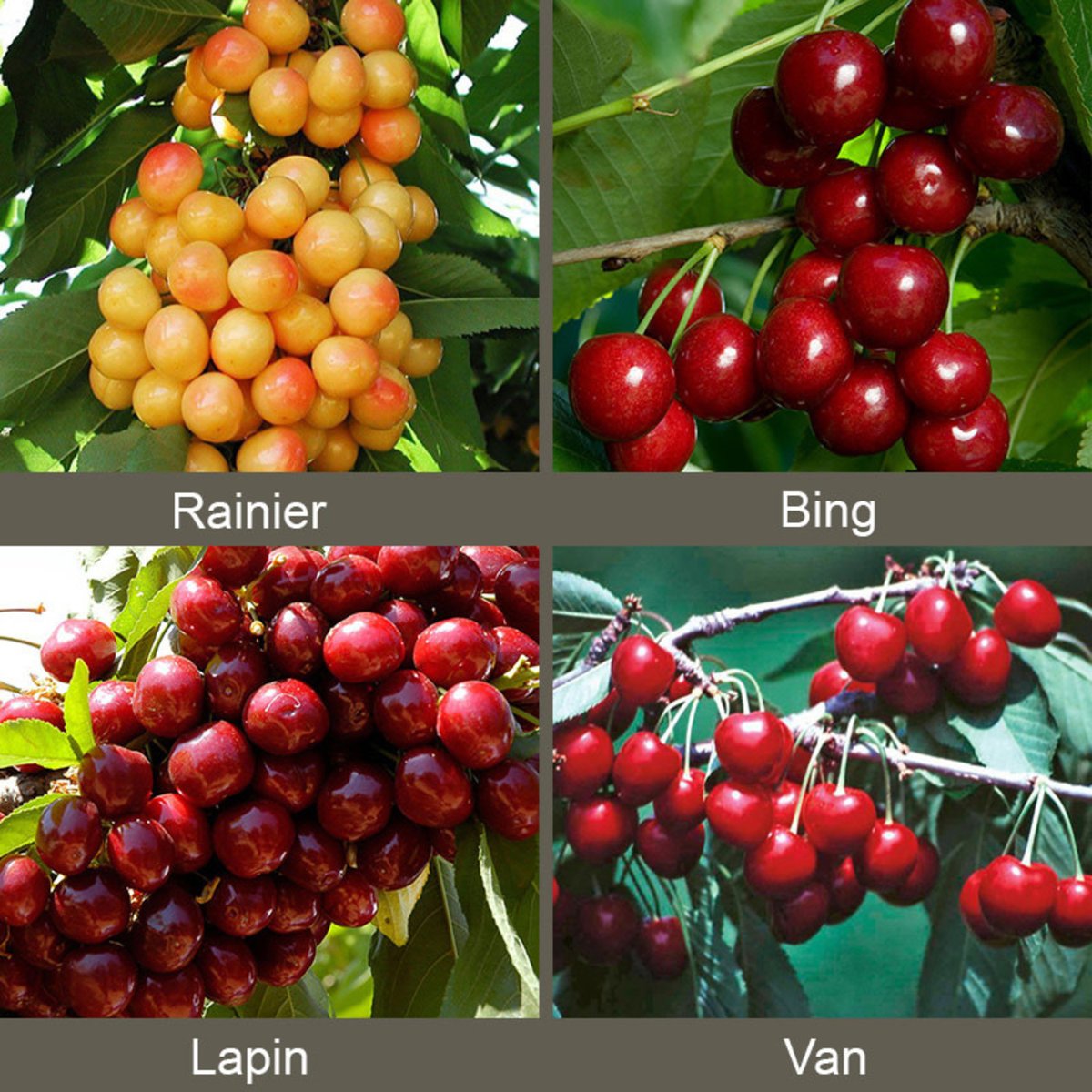
- Bing Cherries: The undisputed king of sweet cherries. Deep mahogany red, firm, and incredibly sweet, Bings are the quintessential snacking cherry.
- Peak Ripeness: Mid-June to early July.
- Best Use: Fresh eating, fruit salads.
- Rainier Cherries: A true gem, recognized by its distinctive yellow-red blush. Rainiers are exceptionally sweet, with a delicate flavor and tender flesh. They're a hybrid of Bing and Van cherries.
- Peak Ripeness: Late June to mid-July.
- Best Use: Fresh eating, gourmet fruit platters.
- Skeena Cherries: A dark red, firm, and flavorful sweet cherry. Skeenas are known for their relatively late season, extending the fresh cherry window.
- Peak Ripeness: Late-season, often into August.
- Best Use: Fresh eating, holds up well in some baking.
- Lapin Cherries: Large, dark red, and wonderfully sweet with good flavor. Lapins are another excellent late-season variety that’s self-fertile, making them a popular choice for home growers.
- Peak Ripeness: Late-season, into August.
- Best Use: Fresh eating, excellent for preserving due to size.
- Sweetheart Cherries: As their name suggests, these are heart-shaped, bright red, and deliciously sweet. They ripen very late in the season, often well into summer.
- Peak Ripeness: Typically late July and August.
- Best Use: Fresh eating, extending the fresh cherry enjoyment.
- Montmorency Cherries: The most famous tart cherry. Bright red, intensely sour, and soft-fleshed, Montmorencies are the go-to for pies, preserves, and anything requiring that classic tart cherry flavor.
- Peak Ripeness: Typically harvested late June and July.
- Best Use: Pies, crumbles, jams, sauces, drying, juicing.
- Unique Varieties (e.g., Black Forest, Carmine Jewel): Keep an eye out for less common, often locally bred varieties at farmers' markets or specialty stores. These can offer surprising flavors and extended harvest times, sometimes even into late summer or early fall, especially for cold-hardy tart varieties like Carmine Jewel.
Locking in the Luster: Preserving Cherries for Year-Round Joy
The fleeting nature of cherry season makes preservation an incredibly rewarding endeavor. Imagine enjoying the taste of summer's peak in the dead of winter! Preserving offers benefits beyond just extending availability; it saves money, allows you to control ingredients, and often yields a superior product to store-bought options.
Canning Cherries: Shelf-Stable Sweetness
Canning seals cherries in jars and processes them with heat, creating a vacuum seal that kills bacteria and enzymes, resulting in a shelf-stable product that retains its color and flavor for months. This method is often preferred for sweet cherries.
- Select: Choose firm, ripe cherries free from blemishes.
- Sanitize: Wash canning jars and lids thoroughly, then sanitize by simmering in hot water. Keep them hot until ready to use.
- Prepare Syrup: Make a light or medium simple syrup by boiling sugar and water (e.g., 2 cups sugar to 4 cups water for light syrup).
- Pack Jars: Wash and pit cherries. Pack them tightly into hot jars, leaving about 1/2 inch of headspace at the top.
- Pour Syrup: Ladle hot syrup over the cherries, ensuring they are fully submerged, still maintaining 1/2 inch headspace. Remove air bubbles.
- Seal & Process: Wipe jar rims clean, center lids, and apply bands until fingertip tight. Process in a boiling water bath canner for the time specified for your altitude and jar size (typically 15-20 minutes for quarts).
Freezing Cherries: Quick & Versatile
Freezing is perhaps the easiest way to store large quantities of cherries, and it maintains their flavor wonderfully for smoothies, sauces, and baking. Tart cherries often freeze better than sweet ones for baking purposes.
- Wash & Dry: Gently wash cherries and pat them completely dry.
- Pit: Use a cherry pitter or a knife to remove the pits.
- Flash Freeze: Spread pitted cherries in a single layer on a parchment-lined baking sheet. Flash freeze for 2-4 hours until solid. This prevents them from clumping together.
- Store: Transfer the flash-frozen cherries to airtight freezer bags or containers. Label with the date. They'll keep for 8-12 months.
Drying Cherries: A Chewy, Concentrated Treat
Drying transforms fresh cherries into a sweet-tart, chewy snack or a versatile ingredient for granola, salads, and baked goods.
- Prepare: Wash and pit cherries. For faster drying, slice larger cherries in half.
- Optional Syrup Soak: For sweeter, brighter dried cherries, you can soak them in a sugar syrup for a few hours before drying. Drain thoroughly.
- Dry:
- Food Dehydrator: Spread cherries in a single layer on dehydrator trays. Dry at 135°F (57°C) for 6-10 hours, or until pliable but not sticky.
- Oven: Place cherries on parchment-lined baking sheets. Dry in a low oven (around 150-175°F / 65-80°C) with the door slightly ajar to allow moisture to escape, for 4-6 hours.
- Sun-Dry: In hot, dry climates, cherries can be sun-dried on screens, though this takes several days and requires protection from pests.
- Store: Once completely dry and cooled, store in an airtight container in a cool, dark place for several months.
Jams & Preserves: Capturing Freshness in a Jar
Making cherry jam or preserves is a classic way to capture the intense fresh flavor. Use whole, halved, or crushed cherries, often combined with sugar, pectin (if desired), and a touch of lemon juice to enhance flavor and aid gelling. The process is similar to canning, using smaller jars and a boiling water bath.
From Sweet to Savory: Exploring Cherry's Diverse Culinary World
Cherries are far more versatile than just a topping for ice cream. Their balance of sweetness and acidity makes them a dynamic ingredient in a surprising array of dishes.
Elevating Savory Palates:
- Cherry-Glazed Meats: Tart cherry preserves, balsamic vinegar, a hint of rosemary, and a touch of garlic create an unforgettable glaze for roasted chicken, duck, or pork tenderloin.
- Cherry Salad Dressings: Blend fresh or frozen cherries (especially tart ones) into a vinaigrette with olive oil, red wine vinegar, shallots, and a touch of honey for a vibrant, fruity dressing.
- Cheese Pairings: The sweetness of fresh sweet cherries or the tang of dried tart cherries pairs exquisitely with creamy cheeses like brie, pungent blue cheeses, or sharp aged cheddar.
- Salsas & Chutneys: Diced fresh cherries, jalapeño, red onion, cilantro, and lime juice create a refreshing salsa that's perfect with grilled fish or chicken. Cooked cherry chutney adds a complex sweet-sour note to roasts or charcuterie boards.
Dessert Delights: Beyond the Classic Pie
While cherry pie is iconic, don't stop there.
- Cherry Clafoutis: A simple, rustic French dessert where cherries are baked in a flan-like batter.
- Cherry Crumble/Crisp: A comforting dessert, especially delicious with a mix of sweet and tart cherries, topped with an oat streusel. Frozen or canned cherries work beautifully here.
- Chocolate-Covered Cherries: A luxurious treat, perfect for special occasions. Use fresh sweet cherries for the best texture.
- Cherry Tarts & Galettes: Elegant and impressive, showcasing the fruit in a buttery crust.
Refreshing Beverages:
- Cherry Yum Yum: Muddle fresh cherries with gin or vodka, add lemon juice, a dash of simple syrup, and top with soda water for a vibrant summer cocktail.
- Cherry Smoothies: Frozen pitted cherries are a fantastic base for smoothies, blending well with yogurt, banana, and spinach.
- Homemade Cherry Soda: Simmer cherries with sugar and water to make a syrup, then mix with sparkling water for a custom soda.
- Infused Water: Add fresh pitted cherries to a pitcher of water with mint or lime for a naturally flavored, hydrating drink.
Looking Ahead: Trends Shaping the Future of Cherry Cultivation
The world of cherry farming is not static. Growers and researchers are constantly innovating to meet consumer demands and address environmental challenges.
Sustainable Practices: Cherries with a Conscience
There's a growing emphasis on farming methods that prioritize long-term ecological health, leading to more flavorful and healthier cherries while minimizing environmental impact.
- Soil Health: Techniques like crop rotation and cover cropping enrich the soil, reducing the need for synthetic fertilizers.
- Water Conservation: Drip irrigation systems deliver water directly to the tree roots, significantly reducing water waste compared to traditional methods.
- Integrated Pest Management (IPM): This approach uses biological controls (beneficial insects), cultural practices (pruning, sanitation), and targeted, minimal use of pesticides only when absolutely necessary, protecting pollinators and beneficial organisms.
- Organic Certification: A commitment to farming without synthetic pesticides, herbicides, or fertilizers, appealing to consumers seeking chemical-free options.
Genetically Modified Organisms (GMOs): A Double-Edged Branch
The use of genetic modification in cherry cultivation presents both promising opportunities and significant concerns.
- Potential Benefits:
- Enhanced Disease Resistance: GMO cherries could be engineered to resist common diseases like bacterial blight or root rot, reducing crop loss and the need for chemical treatments.
- Extended Harvest Windows: Modifications might lead to varieties that ripen earlier or later, extending the fresh cherry season.
- Improved Transportability: Engineering for bruising resistance could allow cherries to withstand longer transport, potentially making them available in more markets.
- Considerations and Concerns:
- Consumer Reluctance: A segment of consumers expresses discomfort with GMO foods due to perceived health or environmental risks.
- Environmental Concerns: Potential long-term ecological impacts, such as effects on biodiversity or the development of "superweeds," are areas of ongoing scientific debate and public concern.
The future of cherry farming will likely see a balance of technological advancement and a continued dedication to sustainable, natural growing methods, driven by both industry innovation and consumer preference.
Your Guide to a More Flavorful Cherry Future
Navigating the world of cherries doesn't have to be a guessing game. Armed with this knowledge, you can make informed choices that benefit your palate, your wallet, and the planet.
- Finding Fresh Cherries: The golden rule: shop during the peak season, typically May to August in the Northern Hemisphere. Your best bets are local farmers' markets, where you can ask growers about specific varieties and harvest dates. Reputable supermarkets will also stock in-season cherries, but prioritize those from nearby regions. For an unforgettable experience, seek out "pick-your-own" orchards.
- Choosing the Best: Look for cherries that are firm, plump, and have a deep, glossy color appropriate for their variety. The stems should ideally be green and attached. Avoid any fruits that are bruised, soft, shriveled, or show signs of mold.
- Storing Fresh Cherries: Resist the urge to wash them immediately. Moisture encourages spoilage. Instead, gently rinse cherries just before you're ready to eat them. Store unwashed cherries in a container lined with paper towels in your refrigerator's crisper drawer. They'll generally keep for up to a week.
- Understanding Global Sourcing: During the off-season in the Northern Hemisphere, you might find imported cherries from the Southern Hemisphere (e.g., Chile, Argentina). While these extend availability, they are often more expensive, may be less fresh due to transit time, and their quality or flavor can be impacted by the journey. Prioritize locally grown cherries during their peak season for the best flavor and sustainability.
- Looking Ahead: Expect continued demand for sustainably farmed options and ongoing evolution in agricultural technologies. By staying informed and actively supporting local cherry growers, you're not just buying fruit; you're investing in the future of delicious cherry cultivation. The next time you encounter a bowl of gleaming cherries, you'll know exactly what makes them special, and how to enjoy every last one.